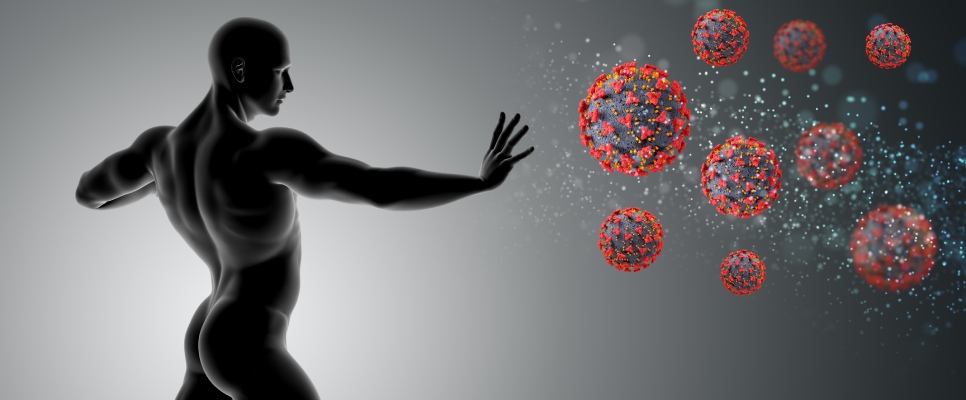
Immunity is the body’s ability to resist or fight off disease, relying on both immediate and long-term responses. These systems detect and neutralize pathogens such as bacteria, viruses, fungi, and parasites. They also manage damaged cells and help prevent the development of certain illnesses. While complex, the immune system’s functions can be understood through a few key components that work together to maintain health.
Innate Immunity: The Body’s First Line of Defense
Innate immunity is the body’s immediate, general defense against invaders. It is present from birth and does not require prior exposure to pathogens. This system acts as a broad barrier to infection, responding rapidly and nonspecifically to threats. Think of it as the body’s first responders, acting to contain and neutralize danger before it can spread.
Physical and Chemical Barriers
The physical and a chemical barrier of the body level off within the innate immunity. Skin is a physically noticeable about health and hence became a strong barrier for microbes, and mucous membranes at the respiratory, alimentary, and secretory tracts apprehend the intruders and destroy them with various chemicals and enzymes. Saliva, tears and stomach acid are examples of chemicals that help defend against microbes entering in the body.
Cellular Defenses
Innate immunity depends on specific cells to ward off infection once the pathogens have surpassed these barriers. White blood cells such as neutrophils, macrophages, and natural-killer cells sense and eliminate invaders. Neutrophils respond rapidly to infection, engulfing and killing microbes. Macrophages serve as scavengers, swallowing dead cells and pathogens while also calling the reinforcements. Natural Killer (NK) cells destroy infected and abnormal cells, which may be mutated by viruses, bacteria, or cancer.
Inflammation and Fever
Inflammation provokes uncharacteristic innate immune responses against invasion through inflammation, fever and other systemic responses. Inflammation basically tells immune cells to go to the trouble area and deals to some extent segregate the threatening material; meanwhile, fever ensures a less-advantageous climate for the pathogen but also pumps up immune cell activity. These go a long way forward in delaying infections, thus allowing more specialized adaptive responses start finishing the job.
Adaptive Immunity: Tailored Protection
Acquired (adaptive) immunity develops over time and confers highly specific responses to pathogens, whereas innate immunity acts as a non-specific first line of defense. Adaptive immunity both requires an initial engagement with particular pathogens or their antigens and takes time to mount its required defenses; however, when put into action, it demonstrates effectiveness. Oftentimes, it may confer immune protection that can last long, and may also include long-lived memory to that pathogen.
B Cells and Antibodies
B-lymphocytes are a cornerstone of the adaptive immune system, maturing into plasma cells that secrete antibodies. These antibodies are specific and target binary interaction or binding to the pathogen or its parts to destroy pathogenic invasion in this way. Through this process, antibodies also "tag" pathogens, making the pathogens more likely to be detected and destroyed by other immune cells in the anti-cancer defense system.
T Cells: Coordinators and Attackers
T cells, a vital aspect of adaptive immunity, play multiple roles. How do they achieve this? The T-helper cells organize the immune response by activating B cells and communicating with the cells of immunity to deal accordingly. The cytotoxic T lymphocytes cease all problems at their root when these CD8 cells attack the infected cells directly, thus stopping the pathogens from propagating therein. T regulatory cells intervene and restrain excessive immune reactions that may otherwise begin to destroy valuable "self" tissue of the body, thus maintaining equilibrium in the complex.
Immunological Memory
Some harnessed traits of foreground adaptive immunity lie in the memory section. After the host encounters a certain pathogen, memory B and T cells possess the capacity of "remembering" the anticipatory kind, thereby functioning with faster, more strengthful responses upon subsequent encounters. This is what constitutes a principle of vaccination: to train the immune system to respond without causing disease. However, this memory can guarantee protection in the long term, and in some cases, the memory might last a lifetime, based on the pathogen and the immune response.
Herd Immunity: Community-Level Protection
Immunity is focused primarily on self-protection, but it also has a significant impact on the society. Herd immunity happens when a significant proportion of the population is immune to an illness, minimizing the chances for disease spread. In the bargain, it guarantees some protection to those not immune, such as those from decades less than the vaccination age, or those with food allergies or underlying medical conditions.
How Herd Immunity Works
When the majority is immunized, pathogens find fewer hosts to infect. As a result, the transmission slows, and outbreaks are less likely to start overall in comparison to the disease occurring in times of less immunity. In particular, herd immunity becomes important for the sake of protecting high-risk populations, such as infants, older adults, and immunocom-promised people, who will then be at the mercy of community immunity levels to keep away from infection.
Limitations and Considerations
The characteristic traits to consider are the level of contagiousness of the disease and the durability of immunity. Some diseases require very high levels of immunity in the population to provide some level of protection, while others may require much lower thresholds. Herd immunity should not replace individual safeguarding but be a well-regarded supplementary device in the wider personal and public-health strategies.
The Immune System in Everyday Life
The immune system is constantly at work protecting us from everyday threats, largely unspecified. Some simple attitude and lifestyle modifications can support maximum immune function: a healthy diet, regular exercise, getting enough sleep, and managing stress. It is important that the immune function primes upon the face of challenges.
Vaccines and Preventive Health
Vaccination is a tool that assists with immunity. In this process, by exposing the immune system to non-harmful substances from a pathogen, vaccines equip them with the power to react quickly in the event of subsequent exposure. It not only provides protection to that particular individual but also helps contribute to community immunity, which consolidates herd immunity.
The Role of Hygiene
The immune system, in fact, works hand in hand with the natural flora of the body and essentially imitates some hygienic intervention, such as handwashing and adequate food preparation. These are really precautions that diminish the threshold of exposure to harmful microorganisms while thwarting potential occasions for an immune response because infections aren't allowed to start in the first place. Most importantly, they operate alongside vaccination and positive living in full preventative steps against disease.
Immune System Challenges
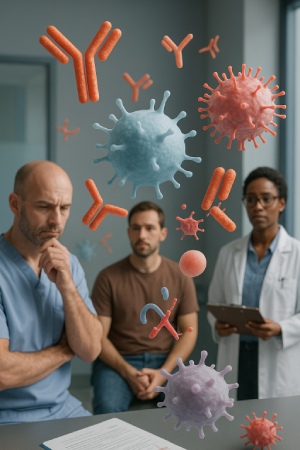
For sure, however healthy it might be, the immune system can still cause problems sometimes. Perhaps it could react too energetically and start to attack the body tissues itself within the family of autoimmune conditions; or alternatively, it can respond too modestly, to the disadvantage of its own body, getting the body infected too easily. Recognizing these challenges brings an apt focus upon the fine balance needed for optimum immune functioning.
Autoimmune Conditions
The immune system mounts an attack on healthy cells in cases of autoimmune disease due to an error in the function of the cells. Type 1 diabetes, lupus, and rheumatoid arthritis are examples of this deviation. Research is in progress to develop treatments that can regulate immune activity without compromising the overall ability to defend against infections.
Immunodeficiency
Immunodeficiency may develop at birth or be acquired as the result of disorders, drugs, or environmental factors. People who have weakened immune systems have a higher risk of infections. Therefore, preventative care coupled with relatively specialized medical support becomes a necessity. Treating any of these infections for the prevention of major emergencies where a person might need hospitalization is of the essence.
Strengthening Immunity Safely
Nothing will ever guarantee complete immunity, but several measures support a more robust level of immune-related functions. Factors that foster better immune competence include a well-balanced diet full of minerals and vitamins, regular physical exercise, adequate amounts of sleep and stress management. It is also worthwhile to abstain from harmful habits, such as smoking or drinking excessively.
Healthy Lifestyle Choices
A good diet is crucial to immune cells. It includes fruits and vegetables that are rich in antioxidants, preventing the risk of chronic diseases like diabetes and cancer, along with grains with fiber, lean proteins, and healthy fats. An overall healthy life is characterized by regular exercise that may speed the blood to all parts of the body, thereby bringing useful immune cells. More: Immune cells require sleep to recover and work and develop at their best. On top of all these factors, modulating immune signaling occurs when a calm mind is attached to reduced stress.
Medical Guidance and Monitoring
Getting the vaccines for a variety of diseases and the pertinent examinations guarantees that the immune system is supported and properly maintained over time. Clear consultations with a healthcare professional regarding individuals' risk factors could potentially help in maximizing the health of immunity in a safe manner. Self-health practices ought to support professional health resources, not replace them.
Immunity as a Lifelong Ally
The immune system is a complex network of defenses that work together to protect individuals and their communities from diseases. From innate immunity's rapid responses to adaptive immunity's long-term, this is the way the body works to keep itself healthy. Understanding the mechanisms instigates key decisions about preventive healthcare, vaccinations, and lifestyle practices.
Realization about the connection between personal immunity and public health therefore underlines the importance of sensible health practices. Protecting oneself by safekeeping the inherent protective powers of the body through proper nourishment, sanitation, and vaccination ensures the same for the whole of society. Immunity encompasses both personal and collective aspects, hence becoming a lifelong companion.
Explore More Topics
With the kind help from